
Outlaw Identity and the Possibility of Return
The OutlawsThis flow examines how the characters inherit, accept, resist, or reconsider the outlaw identities imposed by their crimes and circumstances.
increasing Bearing strength in each event
 decreasing
Bearing strength in each eventdecreasingA Label Before a Crime
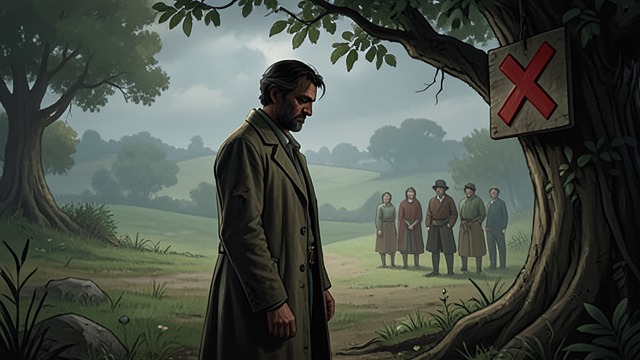
A Label Before a Crime
Innocence and Reputation
Del insists that rape is the last crime he would commit, yet the accusation gives him a wanted name. The law’s label precedes any criminal act on his part.
Identity Under Pressure
Once forced to flee, Del begins to wonder whether there is any point in behaving lawfully. The story asks whether an imposed identity can become self-fulfilling when society offers no credible way back.
Three Different Outlaws
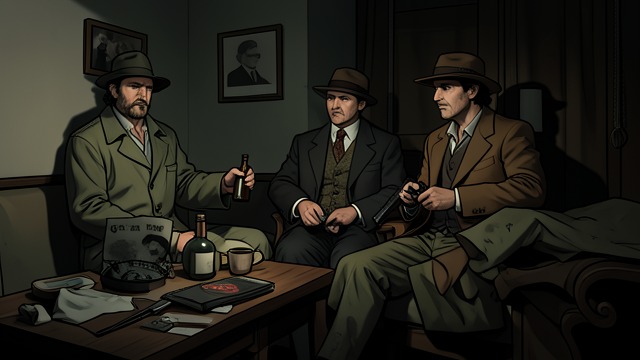
Three Different Outlaws
Distinct Histories
The Kid treats crime as part of his nature, Smith regrets a killing committed in passion, and Del is newly driven into outlaw company. Their shared label conceals very different motives.
Choice Within Constraint
Each man has made choices, but the circumstances around those choices matter. Their conversations prevent outlawry from appearing as a single character type or a simple moral category.
The Dream of Settlement
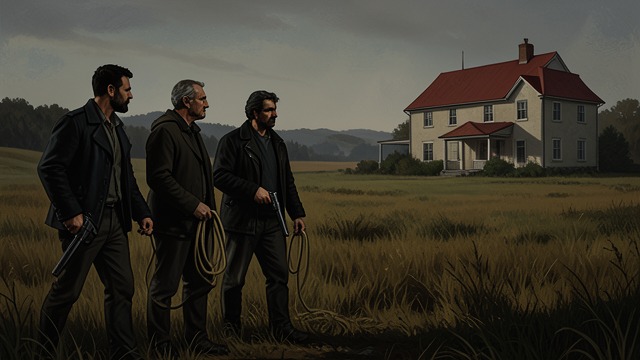
The Dream of Settlement
Property as Security
The men imagine buying a remote spread where no lawman will recognize them. Ownership promises a pause from flight, though it cannot erase their histories.
A Fragile Dream
The ranch plan gives Del and Smith an alternative to endless wandering, while The Kid remains doubtful that he can change. Their hopes reveal that the outlaw life offers freedom at the price of belonging nowhere.
The Kid’s Acceptance
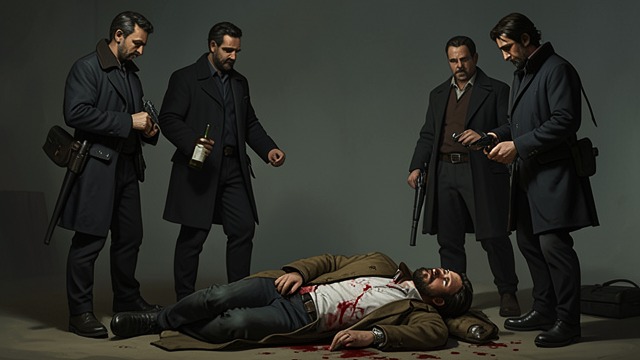
The Kid’s Acceptance
A Foreseen End
The Kid recalls Smith’s prediction that he was born to hang or be shot. Fatally wounded, he is relieved that his end is a bullet rather than a hanging.
Destiny and Agency
His words suggest acceptance, but his last act is also a choice: he risks himself to force Landon’s men into the open. His outlaw identity is both a fate he accepts and a loyalty he enacts.
Smith Considers Home
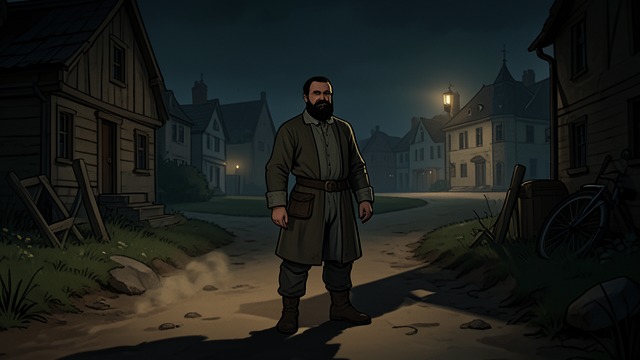
Smith Considers Home
A Life Reassessed
Smith says he may return home and face the music rather than keep running. The decision follows the loss of The Kid and the end of the immediate danger in Roily.
No Certain Pardon
The story does not promise that Smith will be acquitted or welcomed back. His willingness to face judgment nevertheless distinguishes him from a life defined entirely by evasion.
At the beginning, after Del’s arrest
During the journey south with Smith and The Kid
At Trout Lake, before the bank plan
In his final moments in Roily
After Landon and The Kid are dead
